
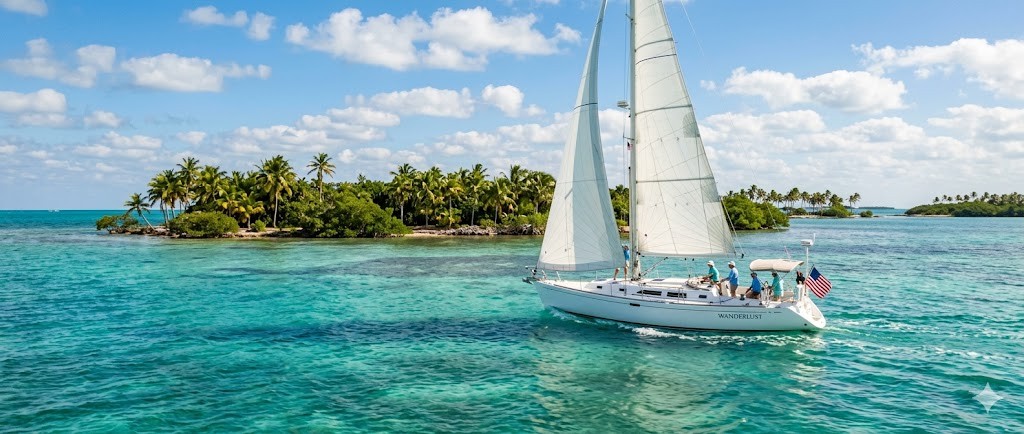
The Ultimate Sailing Florida Keys Itinerary
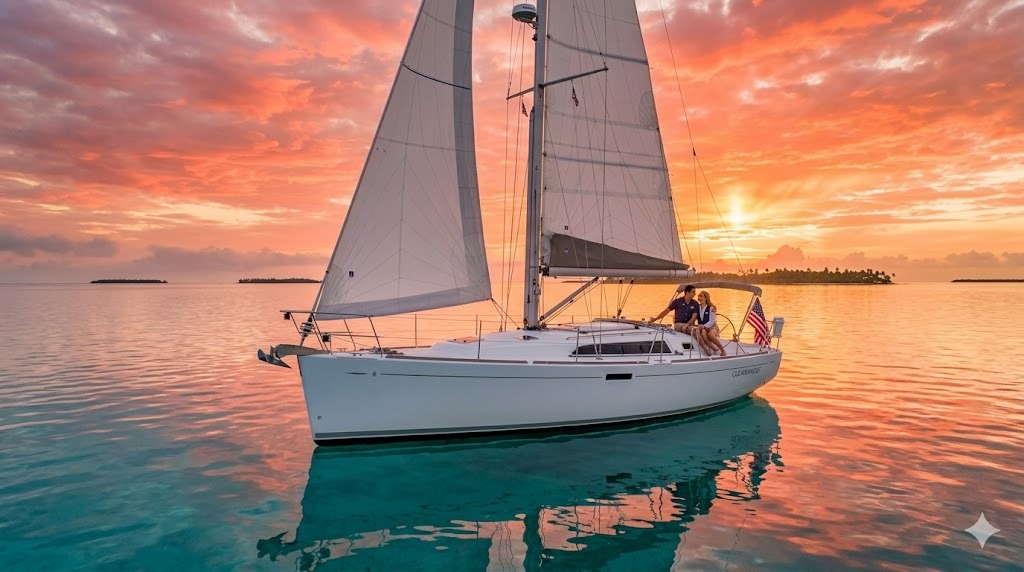
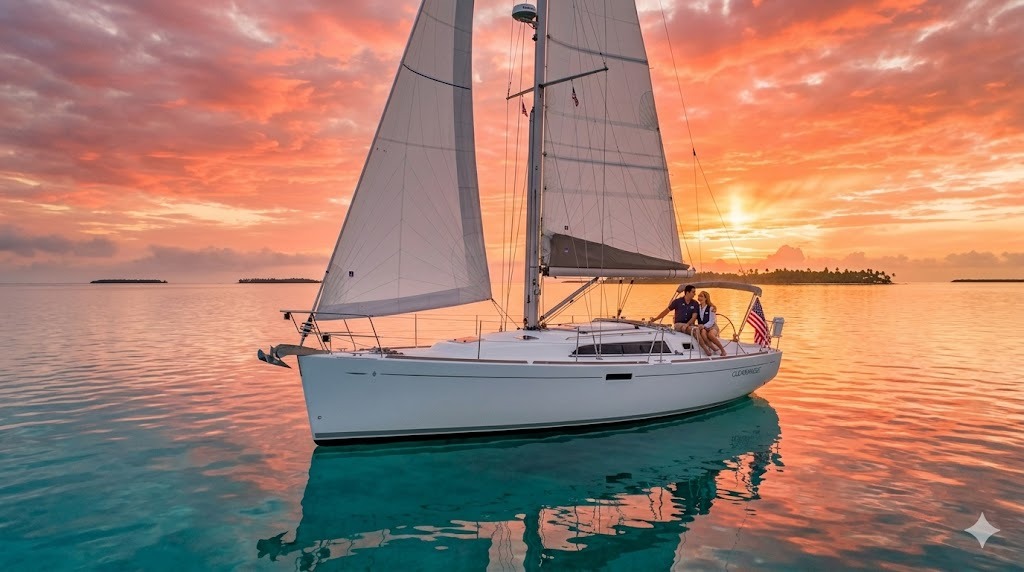
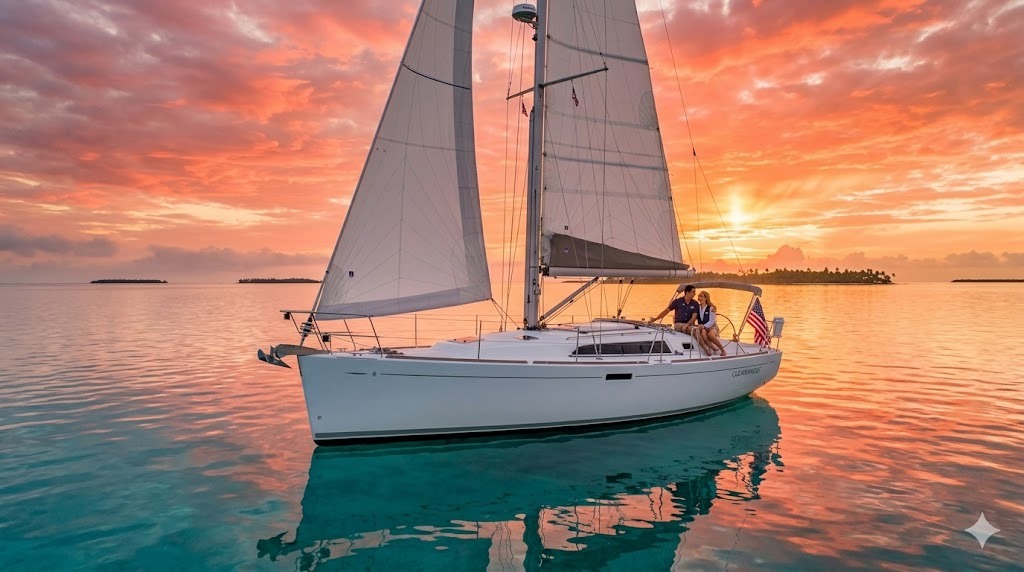
The sailing Florida Keys itinerary has been a sailor’s dream for generations. Crystal clear water, abundant marine life, the laid-back rhythm of island life, and some of the most spectacular sunsets on Earth — the Keys offer a sailing experience unlike anywhere else on the Atlantic seaboard. For sailors based in Tampa Bay, reaching the Keys is a genuinely achievable adventure: a passage of 150–200 nautical miles depending on your route, with rewarding stops along the way.
At Massey Yacht, we’ve helped launch countless Florida sailors on their first Keys passages. Here’s how to make the most of a perfect week on the water.
Getting There: The Route from Tampa Bay
Most Tampa Bay sailors follow one of two routes to the Keys:
The Inside Route (Preferred for Beginners)
Head south through Charlotte Harbor, then through the Caloosahatchee River and the Okeechobee Waterway to the East Coast, then south through the Florida Intracoastal to Key Largo and beyond. This route takes longer (4–5 days at a relaxed pace) but keeps you in protected water for most of the passage.
The Outside Route (Gulf to Keys)
Sail south and around the Florida Keys via the Tortugas and approach from the Gulf side. This is a bluewater passage requiring solid seamanship and a seaworthy boat, but it’s one of the most beautiful stretches of sailing in America. The Dry Tortugas detour is absolutely worth it.
Day-by-Day Florida Keys Sailing Itinerary
Day 1–2: Key Largo and John Pennekamp State Park
Key Largo is the gateway to the Keys and home to John Pennekamp Coral Reef State Park — the first underwater park in the United States. Anchor in the protected coves east of the marina and spend time snorkeling or diving the spectacular coral formations offshore. The visibility in the Keys is routinely 40–60+ feet, which makes even mediocre snorkeling feel extraordinary.
Day 3: Islamorada — The Sport Fishing Capital
Continue south to Islamorada, anchoring off Snake Creek or taking a slip at one of the several marinas here. Islamorada is famous for sport fishing but also has excellent restaurants, beautiful sunset spots at the Morada Bay area, and a charming village atmosphere. The Theater of the Sea marine park here has been operating since 1946.
Day 4: Marathon and Boot Key Harbor
Boot Key Harbor in Marathon is one of the most well-known cruising anchorages in the entire Keys chain. The mooring field is managed by the city and offers dinghy dock access to excellent provisioning (Publix is nearby), laundry, and a lively cruiser community at the marina café. This is a good spot to rest and provision for the push south.
Day 5: Big Pine Key and the Backcountry
Big Pine Key and the surrounding backcountry is one of the Keys’ best-kept secrets for sailors. The shallow water Everglades backcountry north of the Keys is a magical labyrinth of mangrove keys, clear grass flats, and spectacular birding. A shoal-draft centerboarder or fin-keeler under 5 feet is perfect for exploring here. You may not see another boat for hours.
Day 6: Key West
Key West is an experience unlike any other in America. Sail into the harbor, take a slip at one of the Key West marinas, and spend the day exploring Duval Street, the Hemingway House, the Southernmost Point buoy, and the extraordinary collection of restaurants and bars. The sunset celebration at Mallory Square is a tradition no sailor should miss.
From Key West, you can continue to the Dry Tortugas for an offshore excursion — 70 miles west in open water — where Fort Jefferson and some of the most pristine coral reefs in North America await.
What Boat Do You Need for the Florida Keys?
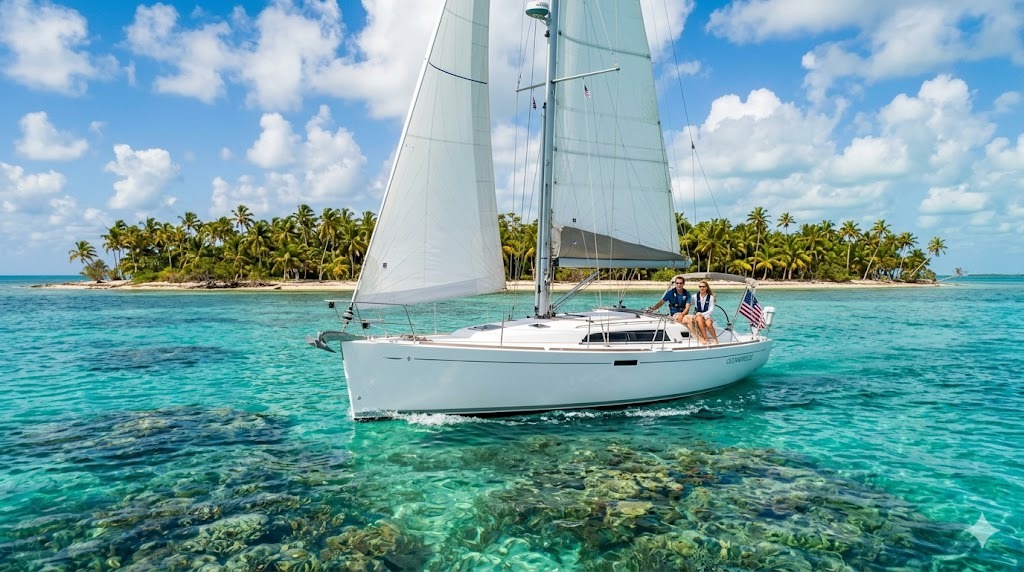
The Keys are accessible in any well-found sailboat with a draft under 5 feet. Shoal draft is a significant advantage in the backcountry and for finding comfortable anchorages away from the main channels. A reliable diesel auxiliary engine is essential — the Keys have light winds in summer, and you’ll be motoring in some conditions.
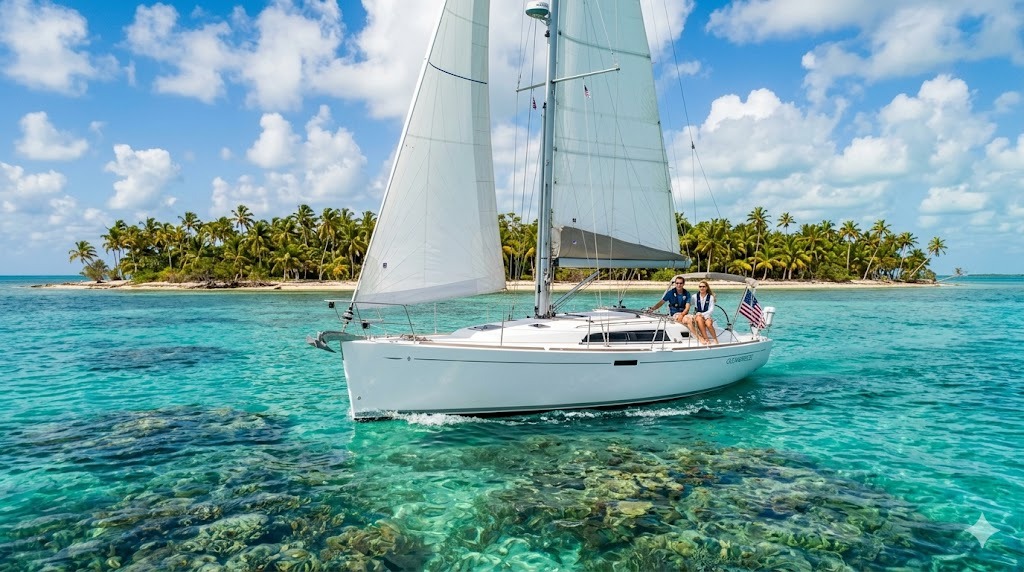


Safety requirements for offshore passages include: EPIRB, life raft (for offshore passages), flares, working VHF, and proper ground tackle for anchoring in coral and grass bottom.
Best Time to Sail the Keys from Tampa Bay
The Keys are wonderful year-round, but summer sailing offers light winds, warm water, and uncrowded anchorages — ideal for experienced sailors who don’t mind light-air sailing and occasional afternoon squalls. Winter brings stronger northeast trade winds that make the Gulf passage more challenging but exhilarating for bluewater sailors.


Ready to Make the Keys Passage?
If your current boat isn’t quite ready for a Keys passage — or if you don’t have a boat yet — the team at Massey Yacht can help you find a vessel that’s ready for this adventure and everything that comes after.
👉 Browse Cruising Sailboats Ready for the Keys
👉 Talk to a Massey Yacht Broker About Your Cruising Goals
The Florida Keys are waiting. Your perfect sailing itinerary starts with the right boat.